

Everything You Need to Know About Car Heaters
Release time: 2025-11-14
In the colder seasons, the car heater is not merely a comfort feature; it is a critical system for ensuring driving safety and passenger well-being. As a professional automotive parts supplier, we offer you an in-depth breakdown of the car heater: the core technology, essential components, maintenance tips, and the keys to selecting high-quality products.
Table of Contents
The Working Principle of the Car Heater: Converting Heat Energy
The heating system in most modern cars is a highly efficient technology that utilizes the engine’s waste heat, known as the Hydronic Heating System.
1. Traditional Hydronic System (ICE Vehicles)
This is the most common and mature heating method, relying on the large amount of heat generated by the engine during operation:
- Heat Source: Engine coolant (antifreeze).
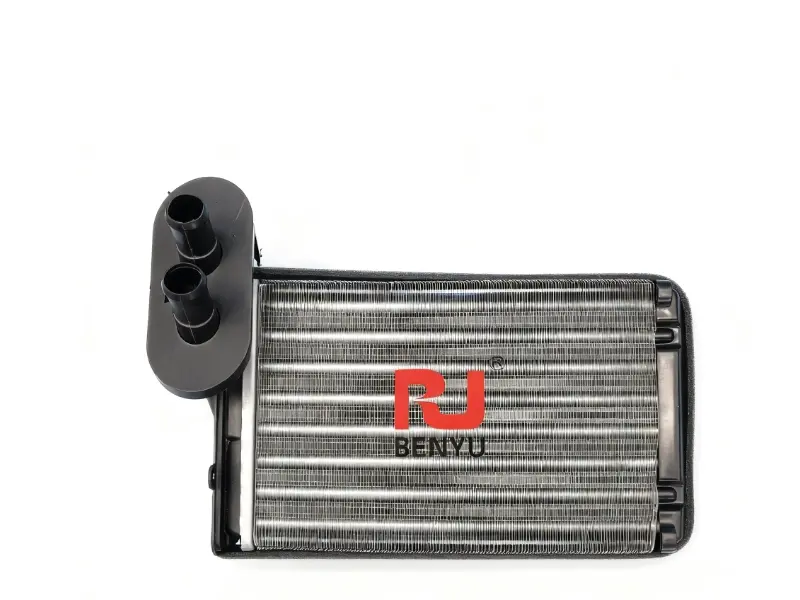
- Circulation: Hot coolant flows through dedicated hoses and enters the Heater Core, located behind the dashboard.
- Heat Exchange: The Blower Motor draws cabin air and forces it over the hot fins of the heater core.
- Air Delivery: The heated air is then distributed through the ducts and vents into the cabin, providing warmth.
- Temperature Control: Drivers regulate the heat by adjusting the flow of coolant through the core (via a valve) or by mixing the air flow (via air blend doors/actuators).
2. Auxiliary Electric Heating (EV/Diesel Vehicles)
For new energy vehicles (EV/PHEV) that generate little to no heat, or certain diesel cars, PTC (Positive Temperature Coefficient) Heaters are used as a supplementary or primary heat source.
- Principle: PTC elements heat up rapidly when energized, directly warming the air or coolant. While providing immediate heat, they can consume significant electrical energy at high power.
Four Core Components of the Car Heating System
A stable and reliable heating system relies on the coordinated function of the following key parts:
| Key Component | Function Description | Impact of Failure |
| Heater Core | The heat exchange executor. Efficiently transfers heat from the coolant to the air. | No or insufficient heat; a leak can cause coolant loss and a sweet odor in the cabin. |
| Blower Motor | The power source. Drives air over the core and into the cabin, determining air volume. | No airflow or abnormal air speed, affecting defogging effectiveness. |
| Blower Resistor/Regulator | The speed controller. Controls the current supplied to the blower motor for multi-speed fan regulation. | Loss of fan speed control (e.g., only high speed or only low speed). |
| Air Door Actuator | The controller. Electrically operates the blend doors for temperature mixing and mode selection (e.g., defrost, floor). | Inability to adjust temperature or air direction, e.g., stuck on cold or unable to switch to defrost mode. |
The Importance of the Heating System: Beyond Comfort
The function of the heating system extends far beyond simply “warming up.” It is directly related to driving safety:
- Rapid Defrosting and Defogging: In cold and high-humidity conditions, warm air is the only way to quickly and effectively eliminate fog and frost from the windshield, ensuring clear visibility.
- Regulating Cabin Humidity: Warm air can help reduce humidity inside the cabin, maintaining a comfortable environment.
- Engine Protection: The hydronic system is technically part of the cooling system. It provides an additional heat load that helps the engine maintain its ideal operating temperature under specific conditions.
Maintenance and Troubleshooting Guide
Heating system failures can lead to serious driving inconvenience. Understanding common issues helps your customers seek timely repairs.
- No Heat: First, check the coolant level. Low levels or air pockets in the system can prevent the heater core from filling up. Next, inspect the thermostat; if it is stuck open, the engine temperature may remain too low. Finally, consider if the heater core is clogged.
- Weak or Uncontrolled Airflow: This usually indicates an issue with the blower motor or the resistor/regulator. A failed regulator might cause fan speeds to be stuck, while an aging motor may simply lose power.
- Sweet-Smelling Steam in the Cabin: This is a strong indicator of a leaking heater core. The evaporating coolant enters the cabin and requires immediate replacement to prevent further issues.
Supplier Tip: Regularly replacing high-quality antifreeze coolant is the most crucial step in protecting the heater core and the entire cooling system. The corrosion inhibitors in the fluid prevent oxidation and scale buildup inside the core.
Why Choose Our Heater ?
As your trusted partner, we are committed to providing the high quality automotive heating system components:
- High-Efficiency Design: Our heater cores feature advanced brazing technology and optimized fin spacing to ensure maximum heat transfer efficiency.
- Strict OEM Standards: All components (including blower motors and actuators) meet or exceed Original Equipment Manufacturer specifications, ensuring perfect fitment and ease of installation.
- Durability and Reliability: We understand that components face high heat, high pressure, and chemical corrosion. We use premium, corrosion-resistant materials to ensure stable operation throughout the product lifecycle.
Choose our products to provide your customers with a warm, safe, and reliable driving environment.
Contact Benwoo today to receive our latest heater product catalog and let us add value to your business!