

How to Choose the Right AC Condenser for Your Vehicle: Complete Buying Guide & Tips
Release time: 2026-01-27
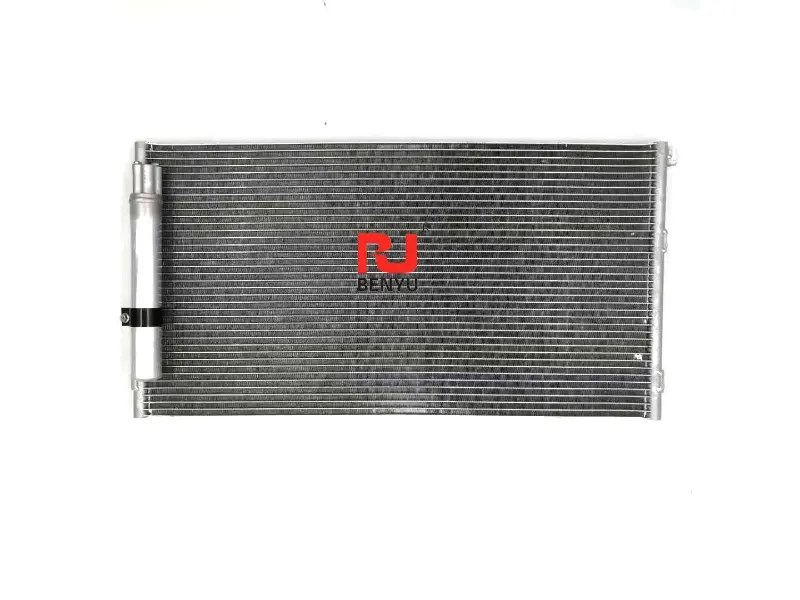
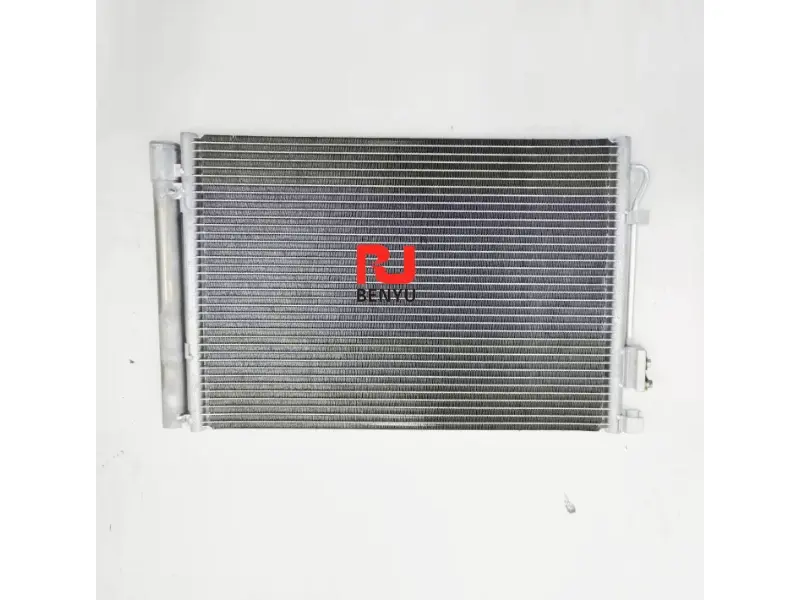
An AC condenser (also known as a car AC condenser or automotive air conditioning condenser) is a critical component of your vehicle’s air conditioning system. It releases heat from compressed refrigerant, allowing the system to cool properly. If the condenser is clogged, leaking, or damaged, your AC performance will drop significantly.
In this guide, you’ll learn how to choose the best AC condenser replacement for your vehicle, what features matter most, and how to avoid costly mistakes.
Table of Contents
What Is an AC Condenser and Why Is It Important?
The AC condenser converts high-pressure refrigerant gas into liquid by releasing heat through airflow. It usually sits in front of the radiator and plays a vital role in:
- Maintaining strong cooling performance
- Protecting the compressor
- Improving overall AC system efficiency
A faulty condenser can lead to weak cooling, high system pressure, and premature compressor failure.
How to Choose the Right AC Condenser for Your Vehicle
1. Match Your Vehicle Model & OEM Part Number
Before buying an automotive AC condenser, always confirm:
- Vehicle brand, model, and production year
- Engine type and AC system specifications
- OEM (original equipment) part number
Matching the OEM number ensures proper fitment, leak-free installation, and optimal cooling performance.
2. Choose the Right Material & Design
Most modern car AC condensers are made from aluminum because it offers:
- Lightweight construction
- Fast heat dissipation
- Strong corrosion resistance
High-performance condensers often use parallel flow designs, which improve cooling efficiency and refrigerant circulation compared to traditional serpentine types.
3. OEM vs Aftermarket AC Condensers
| Type | Advantages |
| OEM AC Condenser | Perfect fit, high reliability |
| Aftermarket AC Condenser | More affordable, wider selection |
If budget allows, OEM or premium aftermarket brands are recommended for long-term durability.
4. Focus on Cooling Efficiency & Durability
A high-quality AC condenser should offer:
- High heat exchange efficiency
- Leak-resistant welding
- Corrosion-resistant coating
- Pressure and leak testing certification
These features ensure long service life and consistent cooling performance.
Important Tips When Replacing an AC Condenser
✔ Always inspect or replace related components:
- Receiver dryer
- Expansion valve or orifice tube
- AC hoses and lines
✔ After installation:
- Vacuum the system
- Recharge with the correct refrigerant
- Test for leaks and pressure stability
Installing a new condenser without flushing the system can lead to compressor damage.
Frequently Asked Questions (FAQ)
Q1: Can I drive with a bad AC condenser?
Yes, but cooling performance will suffer and long-term damage to the AC system may occur.
Q2: How often should an AC condenser be replaced?
There is no fixed interval — replacement is needed when leaks, clogging, or reduced cooling occur.
Q3: How much does an AC condenser cost?
Prices typically range from $50 to $300 depending on vehicle model and brand.
Why Choose a Reliable AC Condenser Supplier?
A professional supplier provides:
- Accurate OEM fitment support
- Strict quality control
- Warranty protection
- Bulk purchasing options
This is especially important for auto parts distributors, workshops, and B2B buyers.
Conclusion: How to Choose the Best AC Condenser
- Match your vehicle using OEM numbers
- Choose aluminum parallel flow designs
- Prefer OEM or high-quality aftermarket brands
- Replace related AC components during installation
- Work with trusted AC condenser suppliers
Selecting the right automotive AC condenser replacement ensures strong cooling performance, longer system life, and improved driving comfort.