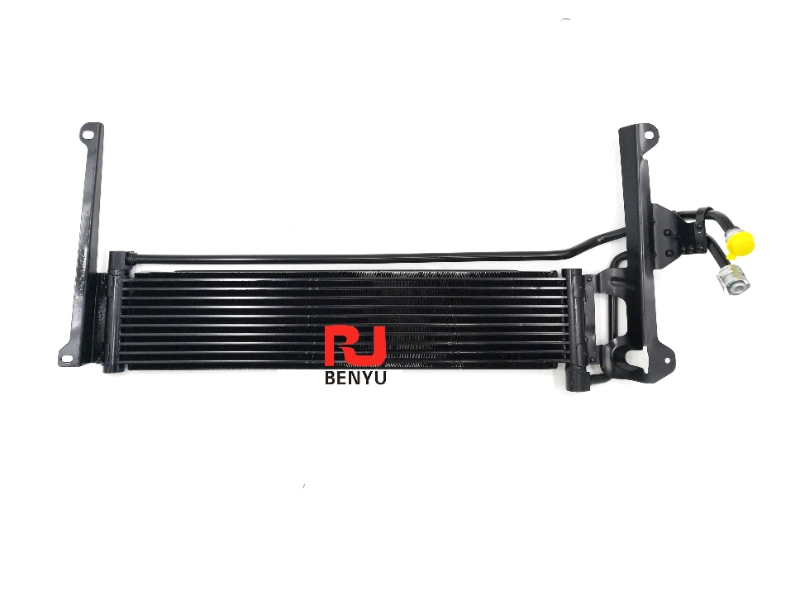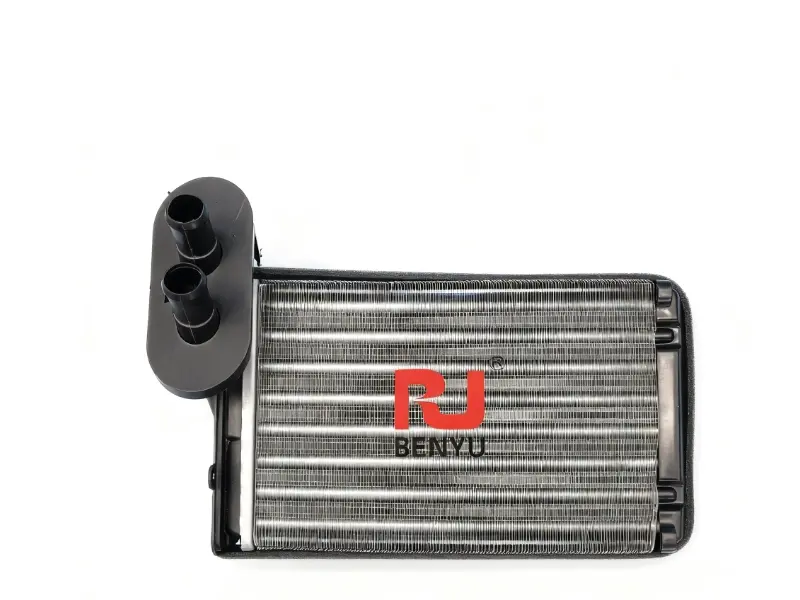


Key Factors Importers Should Consider When Buying Automotive Radiators
Release time: 2026-01-12
In the global automotive aftermarket, automotive radiators are one of the most consistently demanded and fast-moving replacement parts. For importers, wholesalers, and distributors, choosing the right radiator supplier is not only about product price, but also about long-term quality stability, supply reliability, and after-sales risk control.
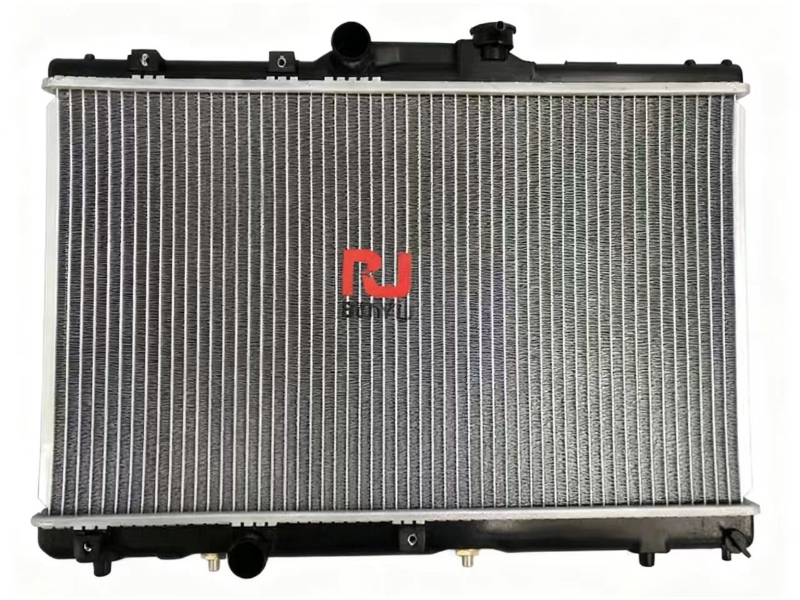
This article outlines the key factors importers should consider when purchasing car radiators, helping buyers make informed decisions and build sustainable partnerships with reliable radiator manufacturers.
Table of Contents
1. Radiator Quality and Cooling Performance
The primary function of an automotive radiator is to maintain optimal engine temperature. Poor cooling efficiency or weak sealing can lead to engine overheating, coolant leakage, and costly warranty claims.
When sourcing radiators, importers should pay close attention to:
- Core structure and heat dissipation efficiency
- Welding strength and overall craftsmanship
- Leak testing and pressure testing procedures
- Performance under high-temperature and long-running conditions
High-quality car radiators are typically manufactured using premium aluminum or copper materials, offering excellent heat dissipation, corrosion resistance, and long service life—especially important for modern vehicles and commercial applications.
2. Vehicle Coverage and Model Compatibility
For importers, vehicle coverage directly affects market expansion potential. A professional radiator manufacturer should be able to supply radiators compatible with a wide range of vehicle brands and models.
Key considerations include:
- Coverage for passenger cars and commercial vehicles
- Compatibility with popular international vehicle brands
- Accurate matching for aftermarket replacement
Reliable radiator suppliers usually support matching by vehicle model, engine type, or OEM number, reducing misfit risks and improving customer satisfaction.
3. OEM and Aftermarket Radiator Support
Different markets have different demands. Some focus on price competitiveness, while others prioritize OEM-level quality. Therefore, strong OEM and aftermarket radiator capabilities are essential.
A competitive radiator supplier should be able to offer:
- OEM standard radiators
- Cost-effective aftermarket radiator solutions
- Custom production based on drawings or samples
This flexibility allows importers to adapt their product strategy to local market conditions and customer expectations.
4. Quality Control and Export Standards
For international trade, consistent quality control is non-negotiable. Importers should carefully evaluate whether a radiator manufacturer has:
- A complete quality management system
- Batch inspection before shipment
- Long-term export experience
- Familiarity with different regional market requirements
Strict quality control helps minimize returns, complaints, and reputational risks for importers and distributors.
5. Stable Supply and Delivery Time
In B2B radiator wholesale business, stable supply capacity is often more important than short-term pricing advantages. Unstable delivery schedules can cause stock shortages and lost customers.
Importers should prioritize radiator suppliers that offer:
- Stable production capacity
- Support for bulk and long-term orders
- Clear lead times and reliable logistics coordination
A dependable radiator manufacturer can support consistent sales growth and long-term cooperation.
6. Technical Support and Communication Efficiency
Although radiators are standardized products, installation conditions and operating environments vary by market. Professional technical support can significantly reduce operational challenges.
A qualified radiator supplier should provide:
- Vehicle and OEM number confirmation
- Clear technical specifications
- Installation guidance and usage recommendations
- Fast and professional communication
This level of support helps importers reduce technical risks and improve service quality in their local markets.
7. Long-Term Partnership and Total Cost Evaluation
When sourcing automotive radiators, importers should look beyond unit price and consider the total cost of ownership, including:
- Product reliability and durability
- After-sales and warranty risks
- Supply stability
- Market adaptability
A trustworthy radiator supplier creates long-term value, not just short-term savings.
Conclusion
For automotive parts importers, selecting the right car radiator products and radiator manufacturer is a critical step toward building a competitive aftermarket business. By evaluating quality, vehicle coverage, OEM capability, export experience, and supply reliability, importers can significantly reduce risks and achieve sustainable growth.
Partnering with an experienced automotive radiator supplier with a complete product range and export-focused production system is a smart and strategic choice.
Send us your vehicle model or OEM number for radiator confirmation.
Bulk orders and distributors welcome.