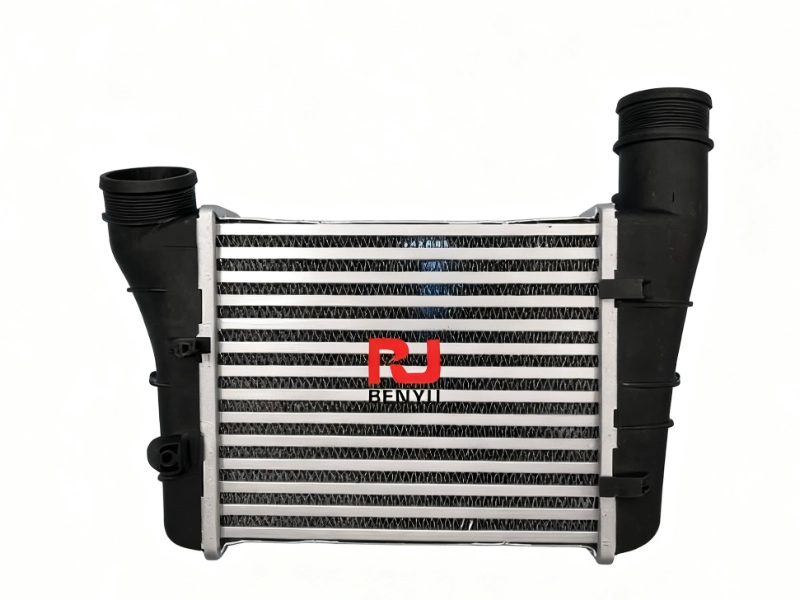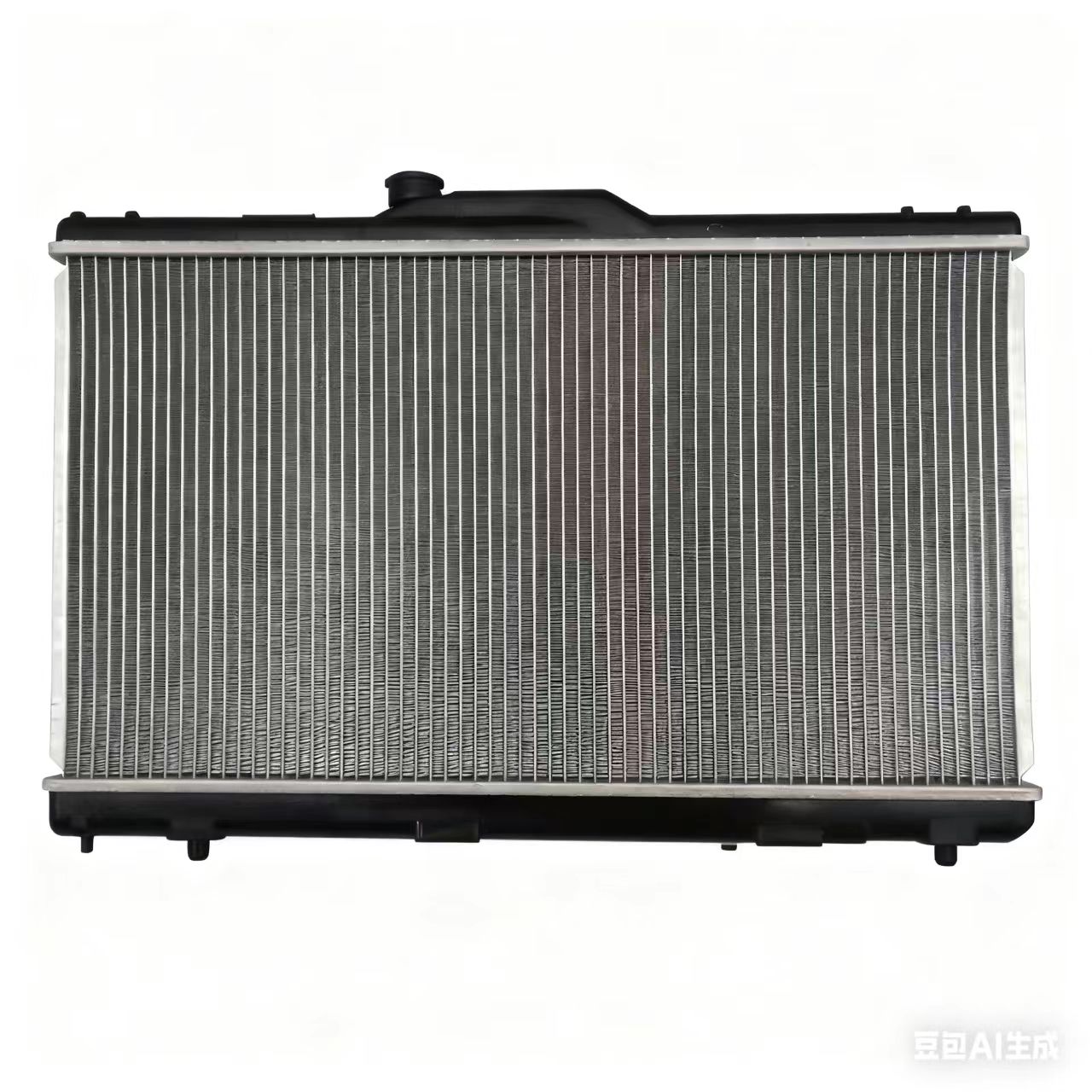


Why More Ford Ranger Owners Are Upgrading Their Intercoolers?
Release time: 2026-05-29
In recent years, turbocharged pickup trucks have become increasingly popular in global markets, especially models like the Ford Ranger.
Compared with traditional naturally aspirated engines, turbocharged engines deliver stronger torque, better fuel efficiency, and improved towing performance.
But higher performance also means higher intake temperatures.
That is why the intercooler has become one of the most important cooling components in modern turbo diesel pickups.
For many Ford Ranger owners, upgrading or replacing the intercooler is no longer only about performance modification — it is also about maintaining long-term driving stability.
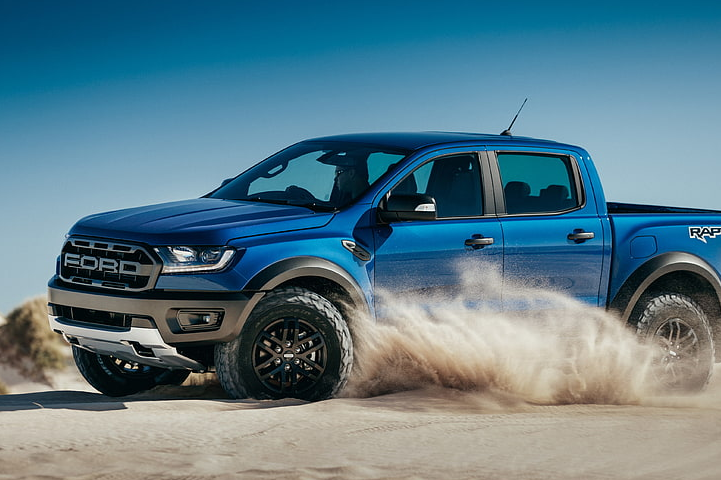
Turbocharged Engines Generate Much Hotter Intake Air
When the turbocharger compresses incoming air, the air temperature rises very quickly.
Hot intake air creates several problems inside the engine:
- lower oxygen density
- reduced combustion efficiency
- unstable power delivery
- increased fuel consumption
For Ford Ranger models used for towing or heavy-load driving, these problems become even more noticeable during:
- uphill driving
- highway acceleration
- hot weather conditions
- off-road environments
The intercooler helps reduce intake air temperature before the air enters the engine, allowing combustion to remain more stable and efficient.
This directly affects engine responsiveness and overall driving feel.
Long-Distance Driving Places Continuous Pressure on the Intercooler
Unlike ordinary passenger cars, many Ford Ranger vehicles spend long hours under heavy operating conditions.
Common usage scenarios include:
- cargo transportation
- construction site driving
- trailer towing
- agricultural work
- long-distance commercial driving
Under these conditions, the turbocharger may remain under boost pressure for extended periods.
If the intercooler cannot dissipate heat efficiently, intake temperatures continue rising, which may eventually cause:
- reduced engine power
- turbo efficiency loss
- higher engine stress
- unstable acceleration performance
This is why intercooler cooling efficiency matters much more in pickup trucks than many drivers realize.
Aluminum Intercoolers Improve Heat Dissipation Efficiency
Modern aftermarket intercoolers are mostly manufactured using aluminum materials.
One major reason is aluminum’s ability to transfer heat quickly while keeping the structure lightweight.
Compared with older designs, high-quality aluminum intercoolers usually provide:
- larger cooling surface area
- improved airflow efficiency
- faster heat exchange
- stronger corrosion resistance
For Ford Ranger applications, this helps maintain more stable intake temperatures during continuous driving.
Many aftermarket intercoolers also use high-density fin structures to improve cooling performance under high airflow conditions.
Stronger Core Structures Help Handle Higher Boost Pressure
urbocharged engines create significant internal pressure inside the intercooler system.
Poor-quality intercoolers may develop:
- internal leakage
- cracked welding points
- pressure instability
- airflow restrictions
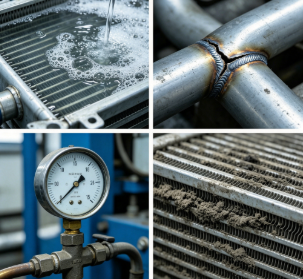
Professional manufacturers therefore pay close attention to:
- brazing technology
- welding strength
- core pressure resistance
- pipe connection durability
Stable structure quality becomes especially important for modified or heavy-duty Ranger applications.
Accurate Fitment Reduces Installation Problems
For aftermarket buyers, fitment quality is just as important as cooling performance.
A properly designed Ford Ranger intercooler should provide:
- accurate mounting positions
- correct pipe alignment
- OEM-standard dimensions
- stable airflow routing
Poor fitment may lead to installation difficulties or airflow leakage problems that affect turbo performance.
This is why wholesalers and distributors usually prefer manufacturers with stable production standards and professional vehicle application support.
Demand for Ford Ranger Intercoolers Continues Growing Worldwide
The Ford Ranger remains one of the most popular pickup trucks in markets such as:
- Australia
- Thailand
- South Africa
- Middle East
- South America
As more turbo diesel Ranger vehicles enter long-term service cycles, aftermarket demand for intercoolers continues increasing steadily.
Today’s buyers pay more attention to:
- cooling efficiency
- durability
- pressure stability
- fitment accuracy
- long-term reliability
rather than simply choosing the cheapest product available.
Conclusion
For modern turbocharged pickup trucks like the Ford Ranger, the intercooler is far more important than many drivers realize.
It directly affects intake temperature, turbo efficiency, engine stability, and long-term driving performance.
A high-quality aluminum intercooler helps improve cooling efficiency while supporting stable performance under demanding driving conditions.
Benwoo specializes in manufacturing aluminum intercoolers, radiators, condensers, and automotive cooling system parts for global aftermarket customers, providing reliable cooling solutions with professional manufacturing standards and stable product quality.